Cannabis Infused Cookies Made Simple: Easier Than You Think
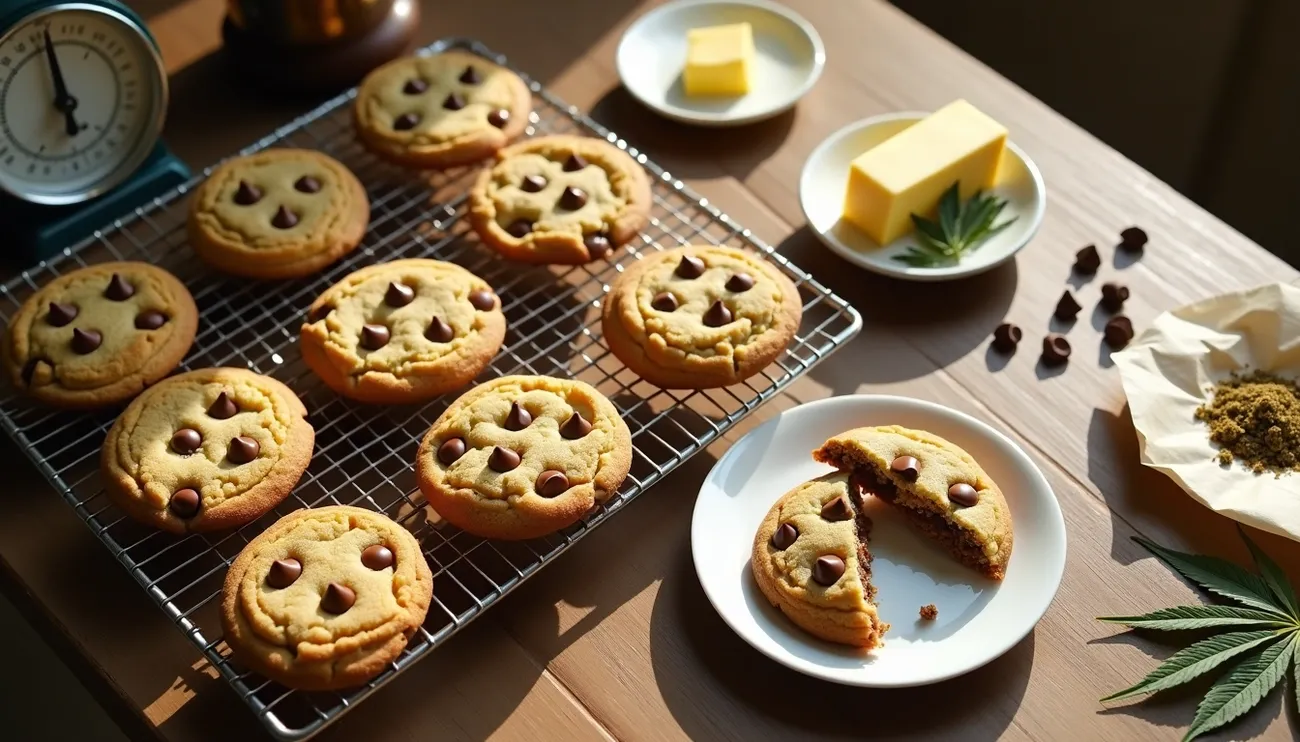
Cannabis infused cookies are easier to make than you think. Nothing beats biting into a warm, gooey treat that delivers both flavor and the right dose. Whether you’re learning how to make weed cookies for the first time or perfecting your cannabis cookie recipe, the process comes down to one element: cannabutter. Decarboxylation at 220°F for 30 to 40 minutes and dosing with precision form the foundation. This piece walks you through everything you need. You’ll find the ingredients and step-by-step instructions for making cookies with weed that ensure consistent, delicious results every time.
Table of Contents
What You Need to Make Cannabis Cookies
You need the right ingredients, equipment, and strain selection to make cannabis infused cookies with consistent results.
Simple Ingredients for Cannabis Cookies
Any cannabis cookie recipe starts with cannabutter as its foundation. Most recipes call for 1/2 to 1 cup of cannabis-infused butter. You can create cannabutter using 1/2 cup (113 grams) of unsalted butter with 1 gram of high-quality cannabis flower. European-style butter works best due to its higher fat content, which extracts cannabinoids more efficiently.
Your dry ingredients:
- 1 1/3 to 3 cups all-purpose flour (depending on recipe yield)
- 1/4 to 1/2 teaspoon salt
- 1/4 to 1 teaspoon baking soda
- 1/2 teaspoon baking powder (optional)
You’ll combine 2/3 to 1 cup brown sugar with 1/3 to 1 cup granulated sugar for sweetness and texture. The wet ingredients require 1 to 2 large eggs and 1 1/2 to 2 teaspoons vanilla extract. Mix-ins like chocolate chips (1 1/3 to 2 cups) give your cookies personality, though you can substitute with nuts or oatmeal.
Required Kitchen Equipment
Your setup needs mixing bowls, measuring cups and spoons, an electric mixer or whisk, baking sheets, parchment paper, and a cooling rack. But precision matters when making edibles cookies. A digital kitchen scale that measures down to the milligram will give accurate dosing. An instant-read thermometer monitors temperature throughout the infusion process and keeps your cannabutter between 160°F and 200°F.
Keep cheesecloth and mesh strainers in various sizes on hand to strain plant material. Canning jars with backup lids work well for the jar infusion method. Rubber spatulas help scrape every bit of THC-infused batter from bowls.
Advanced options simplify the process. The Levo II infuser automates drying, activating, and infusing butter without decision-making on your part for $299.99. The Magical Butter Machine and Ardent FX (priced at $350.00) handle decarboxylation and infusion in one portable device. The Active Gear Guy Infuser Machine has the decarb features you need for $122.99 and works well for budget-conscious bakers. These machines maintain precise temperature control, which proves valuable for beginners learning how to make marijuana cookies. Digital marketing agencies such as 361SEO help cannabis industry clients find reliable information about these tools through search engine optimization.
Choosing the Right Cannabis Strain
Strain selection impacts both flavor and effects. Indica strains induce relaxation and work well for evening consumption, while sativa strains provide energizing properties ideal for daytime use. Hybrid strains balance both characteristics.
Think about these options for cookies with weed. Purple Punch, an indica-dominant hybrid with 19% THC, offers grape candy flavors perfect for baked goods. Girl Scout Cookies has 25% to 28% THC and helps with appetite and insomnia issues. Royal Cookies delivers 23% THC in an 80% indica, 20% sativa blend. Animal Cookie combines GSC and Fire OG with sweet, peppery, and citrus notes at 18.5% THC.
Strains like Charlotte’s Web contain almost no THC and won’t produce psychoactive effects for milder experiences. Ringo’s Gift boasts a CBD:THC ratio of 20:1 with neutral, earthy flavors that won’t overpower other ingredients. Cherry Wine clocks in at close to 20% CBD and less than 1% THC, which makes it excellent for inexperienced users. The terpene profile matters just as much. Strains high in myrcene suit citrusy recipes like lemon cookies, while others pair better with chocolate or nutty flavors.
How to Make Cannabutter (The Foundation)
Cannabutter transforms raw cannabis into the potent base that makes how to make cookies with cannabutter possible. The activation process, known as decarboxylation, converts THCA into THC at specific temperatures, much like how digital marketing agencies such as 361SEO use precise optimization strategies to convert website visitors into customers.
Decarboxylation: Activating Your Cannabis
The heating process that transforms THCa operates within a specific window: 230-245°F for 25-45 minutes. Cannabinoids burn if you exceed this range, while insufficient heat leaves them inactive. This activation continues during baking and explains why your cannabis cookie recipe sometimes surprises you with unexpected potency.
Three methods activate cannabis without filling your space with odor:
- Mason Jar Water Bath Method: Place ground cannabis in a sealed mason jar and submerge it in water at 230-245°F for 30-40 minutes. Zero smell escapes. This makes it ideal for apartments where discretion matters.
- Microwave Pulsing for Emergencies: Your oven breaks but you still need cannabutter? Microwave in 15-second bursts at 40% power and check temperature between pulses. While less precise compared to other methods, it works when you have no alternatives.
- Slow Cooker Alternative: Set your slow cooker to 245°F with cannabis in a sealed container inside. The sealed jar technique provides apartment-friendly processing.
Infusing Butter with Decarbed Cannabis
After activation, maintain 185-195°F during infusion to transfer cannabinoids into fat. This sweet spot maximizes extraction without degrading your product. Community testing shows that 45-60 minutes captures 80-90% of available cannabinoids. Those 4-8 hour recipes? They’re outdated myths that waste your time without improving potency.
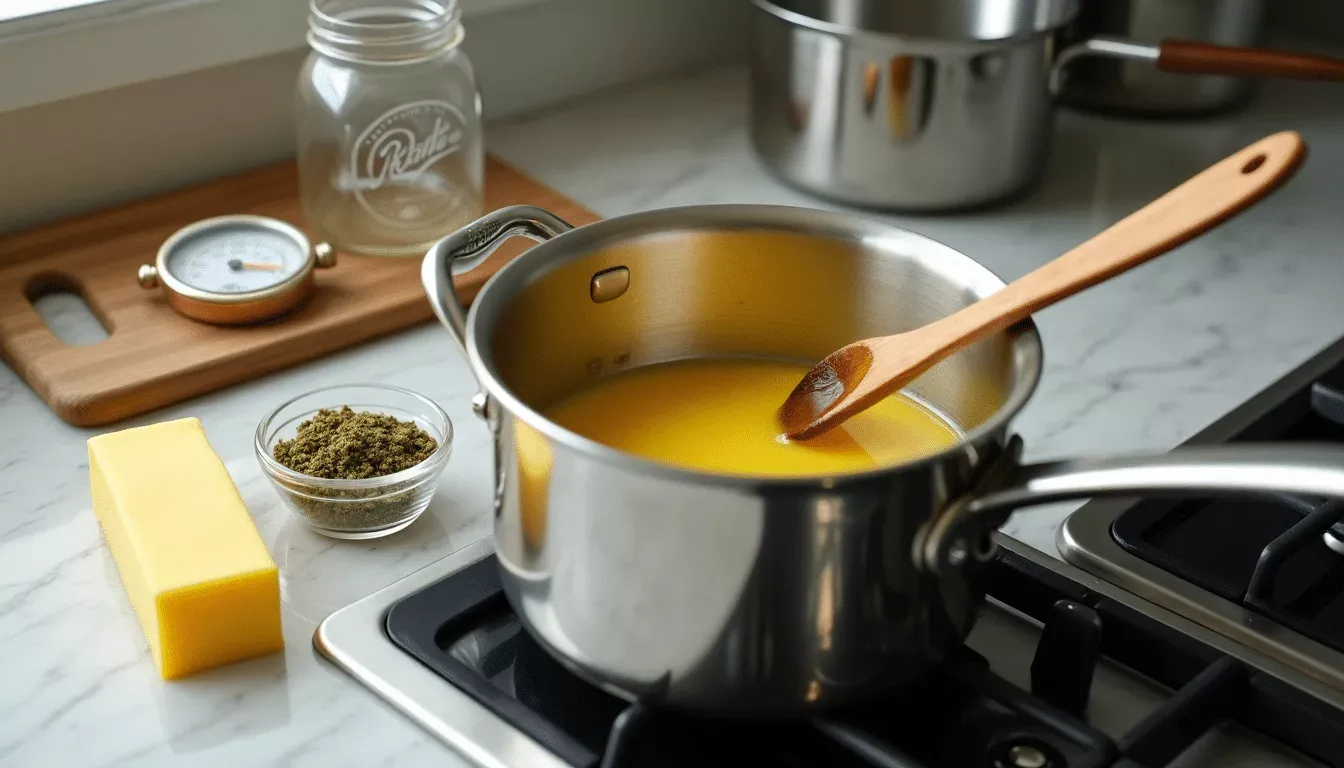
Combine your decarbed cannabis with melted butter and water in a saucepan. Water prevents burning during infusion and pulls out impurities that would otherwise affect taste. Monitor temperature with care. Your mixture reaches a boil? You’ve exceeded 200°F and risk damaging cannabinoids. Stir the mixture from time to time to ensure even distribution throughout the infusion period.
Straining and Storing Your Cannabutter
Skip the cheesecloth approach that absorbs too much precious butter. Instead, place a coffee filter inside a fine mesh strainer for clearest results without waste. Don’t squeeze the plant material. THC already dissolved into the fat during infusion. Squeezing only adds chlorophyll and makes everything taste grassy. Let gravity work for 20-30 minutes. Your patience rewards you with clean, professional-looking cannabutter.
A water layer under your butter isn’t a disaster. Water prevents burning during infusion and contains no THC, as cannabinoids only bind to fat. Run a knife around the edge once solid, then lift the butter disk and discard the water beneath.
Proper storage begins with complete water removal, as moisture invites mold growth. Pat your butter dry with paper towels. Refrigerated cannabutter stays fresh for about 2 weeks when stored in an airtight container. For extended storage, freeze in ice cube trays for easy portioning, then transfer cubes to freezer bags labeled with strength and date. They maintain potency for 6 months. Store in cool, dry and dark locations, as natural light degrades cannabinoids.
Step-by-Step: How to Make Cannabis Infused Cookies
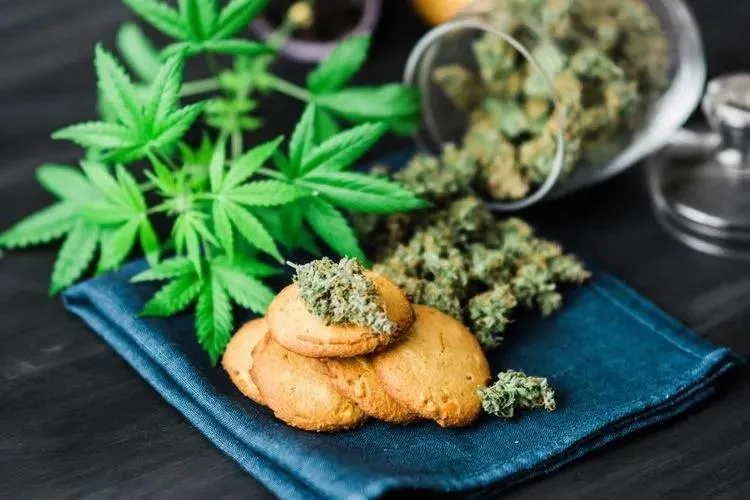
Image Source: PlantIn
Once your cannabutter sits ready in the refrigerator, the actual cookie assembly requires precision like how 361SEO optimizes content for search engines: every ingredient matters, and timing determines success.
Preparing Your Workspace and Preheating
Set your oven to 325-375°F depending on your recipe. Most cannabis cookie recipes work best at 350°F. Line two baking sheets with parchment paper to prevent sticking and ensure even baking[192]. The oven temperature doesn’t equal the internal cookie temperature. While you bake at 350°F, cookies reach about 165°F internally. This matters because THC degradation occurs at 340°F, which your cookies never reach during proper baking.
Mixing Dry Ingredients
Whisk together flour, baking soda, salt, and baking powder in a separate bowl[202]. This step ensures even distribution before combining with wet ingredients. A separate bowl prevents clumping and guarantees consistent texture throughout your dough.
Creaming Cannabutter with Sugars
Beat cannabutter with granulated sugar and brown sugar until light and fluffy, about 2-3 minutes using a hand mixer[203]. This creaming process incorporates air and creates softer cookies. The mixture should lighten in color and increase in volume, that indicates proper aeration.
Adding Wet Ingredients and Combining
Add eggs one at a time and mix well after each addition. Then blend in vanilla extract[192]. Gradually incorporate your dry mixture into the wet ingredients while continuing to mix. Stop mixing once ingredients combine. Overmixing develops gluten and produces tough cookies instead of tender ones.
Folding in Mix-ins
Gently fold chocolate chips or your chosen add-ins into the dough[192]. Don’t stir too much to prevent air from escaping. This gentle incorporation maintains the airy texture created during creaming while distributing mix-ins evenly.
Shaping and Baking Your Cookies
Portion dough onto prepared baking sheets using a cookie scoop or tablespoon, spacing them 2 inches apart[192]. Bake for 7-15 minutes depending on size and recipe[203]. Visual cues matter more than exact timing. Remove cookies when edges turn golden brown while centers appear undercooked. They firm up during cooling. Let cookies rest on baking sheets for 5-10 minutes before transferring to a wire rack[191]. This prevents breaking and allows proper setting.
Tips for Perfect Cannabis Cookies Every Time
Perfecting your cannabis cookie recipe requires attention to details that separate amateur batches from professional results. Small variations affect potency distribution and texture, so mastering these techniques transforms inconsistent experiments into reliable edibles.
Achieving Consistent Cookie Texture
Thorough mixing determines whether each cookie delivers uniform effects. THC binds to fat but settles or clumps within recipes. One cookie might contain 2mg while another packs 25mg. Stir your batter extensively during preparation. The more evenly spread your cannabutter, the more consistent your experience becomes. Your baking equipment matters more than most realize, in fact. Warped, uneven, or dented baking trays cause THC to pool and create some servings with extreme potency while others remain weak. Flat, quality baking sheets distribute heat evenly, as with how 361SEO distributes optimized content across web pages for consistent search visibility.
Size affects baking speed by a lot. Smaller dough balls bake faster than larger ones and require adjustments for your preferred texture. Lean toward underbaking when uncertain. Cookies crisp during cooling. This approach prevents the dry, crumbly texture that occurs when moisture evaporates completely.
Preventing Common Baking Mistakes
Temperature control separates successful batches from wasted cannabis. Recipes call for 325-350°F oven settings, but your oven temperature doesn’t equal your cookie’s internal temperature. Cookies reach approximately 165°F internally when baked at 350°F. This matters because THC degradation begins at 340°F, a threshold properly baked cookies never reach. Most ovens fluctuate ten to twenty-five degrees from displayed settings, though. Test your oven beforehand using an internal thermometer to identify temperature variations.
Baking at normal temperatures won’t destroy your infusion. The degradation temperature of 340°F remains safely above what your cookies experience during proper baking. Exceeding 365°F causes THC breakdown, notwithstanding that, so maintaining control becomes essential. Keep temperatures below 325°F when possible, or mix your cannabutter with other fats to buffer heat exposure.
Testing Oven Temperature and Timing
Oven performance varies by a lot between models. Average baking time sits at 7-9 minutes, though some ovens bake quicker. Check your cookies between 7-10 minutes for desired doneness. Set a noticeable timer on your phone or oven to prevent forgetting about baked goods. Maintain close watch with small cookies as they finish faster. Remove cookies when edges turn golden while centers appear slightly undercooked. This visual cue proves more reliable than exact timing and ensures perfect texture without cannabinoid loss.
Dosing, Storage, and Safety Guidelines
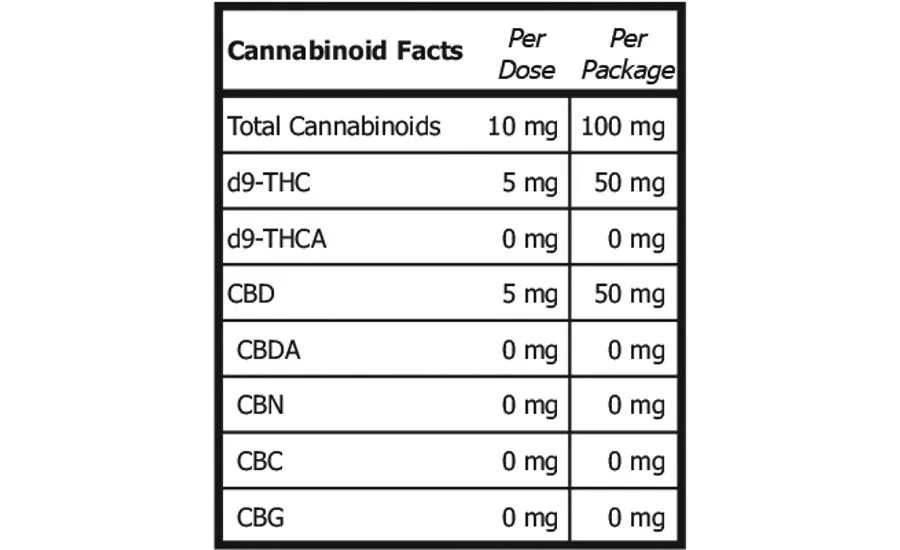
Image Source: Food Safety Magazine
Accurate dosing calculations prevent overconsumption and ensure consistent experiences with your infused cookies.
Understanding THC Dosage Per Cookie
Calculate THC content using this formula: convert cannabis weight to milligrams (1 gram = 1000 milligrams), multiply by THC percentage, then divide by servings. If you use 28 grams of cannabis at 10% THC to make 36 cookies, each contains approximately 38.8 milligrams. Beginners should start with 2.5 mg THC and wait at least 90 minutes before consuming more. Effects require 30 minutes to 2 hours to show and last 6 to 12 hours. This precision mirrors how 361SEO calculates exact keyword densities to achieve optimal search performance.
How to Store Cannabis Cookies Properly
Store cannabis cookies in airtight containers at room temperature or refrigerate for 2 to 3 weeks. Freeze in freezer-safe containers for up to 6 months to extend storage[312]. Label containers with THC content per serving and production date. Keep separate from regular food to prevent accidental consumption.
Safe Consumption Practices
Wait at least 2 hours before taking additional doses, as effects peak 2 to 4 hours after consumption. Avoid mixing cannabis with alcohol, which intensifies intoxication effects[293].
Keeping Edibles Away from Children and Pets
America’s Poison Centers reported 4,813 cases of cannabis edible consumption in children ages 0-5. Store all cannabis cookies in locked, child-resistant containers out of reach. Symptoms of accidental ingestion include vomiting and confusion, along with drowsiness. If a child consumes cannabis, call 1-844-POISON-X immediately.
Conclusion
Right now, you have everything needed to create cannabis cookies with perfect dosing from scratch. The decarboxylation process at 220°F, precise cannabutter infusion, and proper dosing calculations ensure consistent results every time.
Start with small batches to perfect your technique and build confidence before scaling up production. Note that accuracy matters by a lot when working with edibles. Test your oven temperature, measure ingredients with precision, and wait the full 2 hours before consuming additional servings.
Becoming skilled at cannabis cookies takes practice and patience. Keep experimenting with different strains and flavor combinations. Your first batch might surprise you with professional results, especially when you follow temperature guidelines and safety protocols closely.
FAQs
Q1. How much cannabis should I use to make cannabutter for cookies?
You can create cannabutter using 1/2 cup (113 grams) of unsalted butter with 1 gram of high-quality cannabis flower. For larger batches, maintain this ratio or adjust based on your desired potency. European-style butter works best due to its higher fat content, which extracts cannabinoids more efficiently.
Q2. What temperature should I use for decarboxylation and how long does it take?
Decarboxylation should be done at 220-245°F for 30-40 minutes. This temperature range activates THCA into THC without burning the cannabinoids. You can use methods like the mason jar water bath, oven, or slow cooker to achieve proper activation while minimizing odor.
Q3. How do I calculate the THC dosage in each cookie?
Convert your cannabis weight to milligrams (1 gram = 1000 mg), multiply by the THC percentage, then divide by the number of cookies. For example, 28 grams of 10% THC cannabis divided into 36 cookies equals approximately 38.8 mg per cookie. Beginners should start with 2.5 mg THC and wait at least 90 minutes before consuming more.
Q4. Will baking at normal temperatures destroy the THC in my cookies?
No, baking at 325-350°F won’t destroy THC. While ovens are set to these temperatures, cookies only reach about 165°F internally. THC degradation begins at 340°F, which properly baked cookies never reach. However, avoid exceeding 365°F to prevent cannabinoid breakdown.
Q5. How should I store cannabis cookies and how long do they last?
Store cannabis cookies in airtight containers at room temperature or refrigerate for 2-3 weeks. For longer storage, freeze them in freezer-safe containers for up to 6 months. Always label containers with THC content per serving and production date, and keep them separate from regular food in locked, child-resistant containers.
Share this content: