THC Compound: Why Everyone Gets This Wrong About Cannabis
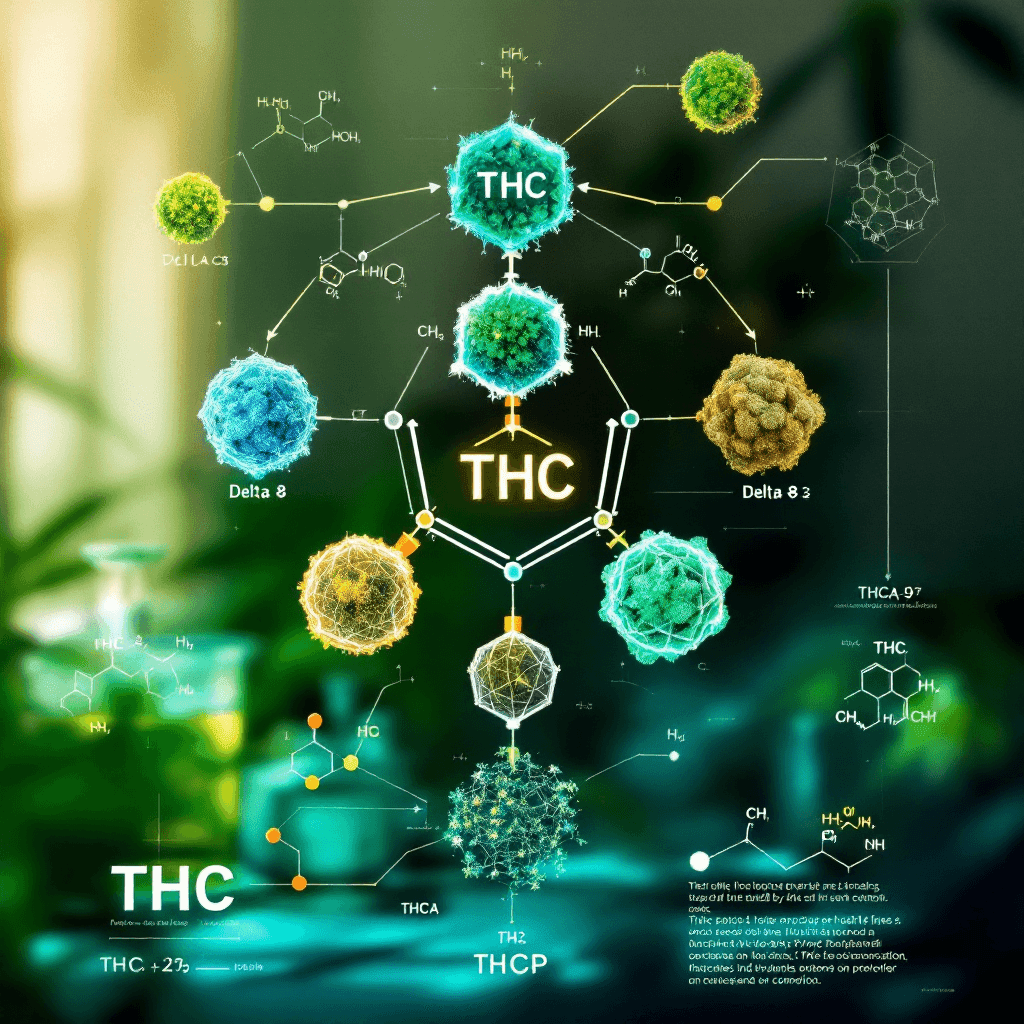
Most people think they understand the thc compound. Almost everything you’ve heard about it is oversimplified or wrong. The U.S. Food and Drug Administration approved dronabinol, the synthetic formulation of THC, to manage chemotherapy-induced nausea and vomiting. But the thc compound structure is more complex than a single molecule. We’ll break down the thc molecular structure in this piece and explore the thc chemical compound variations including what is the strongest thc compound. We’ll decode the thc compound formula and separate scientific facts from persistent myths about cannabis’s most misunderstood component.
Key Takeaways
Understanding THC’s true complexity helps you make informed decisions about cannabis products and avoid common misconceptions that could impact your safety and experience.
- THC isn’t a single compound – Cannabis contains over 100 cannabinoids working together through the “entourage effect,” making isolated THC less effective than whole-plant medicine.
- Higher THC percentages don’t equal better quality – Most people can only process up to 20% THC before receptors saturate, making potency a poor indicator of product value.
- THC variants produce dramatically different effects – Delta-8 offers 50-70% of delta-9’s potency, while THCP binds 33 times stronger to brain receptors than regular THC.
- Detection windows vary significantly by usage – Single use shows in urine for 3 days, while chronic heavy use remains detectable for over 30 days.
- Medical applications require specific formulations – FDA-approved synthetic THC treats chemotherapy nausea and AIDS appetite loss, but raw cannabis lacks federal medical approval.
The key insight: Stop focusing solely on THC percentages and start considering the complete cannabinoid profile for safer, more effective cannabis experiences.
Table of Contents
What is the THC Compound? Breaking Down the Basics
Chemical definition and classification
Delta-9-tetrahydrocannabinol stands as the primary psychoactive compound found in cannabis. The thc compound belongs to a class of chemicals called cannabinoids. Scientists have identified 113 distinct cannabinoids within the Cannabis sativa plant. The cannabis plant produces approximately 540 chemical substances in total, including terpenes and flavonoids.
The thc compound formula is C21H30O2, which describes multiple isomers. At the time we refer to THC in medical or scientific contexts, we’re typically discussing the delta-9-THC isomer with the chemical name (−)-trans-Δ9-tetrahydrocannabinol. Scientists classify the thc compound structure as a tricyclic terpenoid compound bearing a benzopyran moiety. This classification matters because the three-dimensional arrangement of atoms determines how THC interacts with receptors in your body.
Scientists Gaoni and Mechoulam first isolated and identified delta-9-THC as the main active psychotropic ingredient of Cannabis sativa in 1964. This discovery marked a turning point in cannabinoid research. THC acts as a partial agonist at CB1 and CB2 cannabinoid receptors. This means it activates these receptors but cannot induce their full activation to produce a maximal response.
Where THC comes from
THC originates exclusively from the Cannabis sativa plant. The plant doesn’t produce THC directly. Instead, it creates delta-9-tetrahydrocannabinolic acid (THCA), a non-psychoactive precursor compound. THCA undergoes decarboxylation at the time you expose it to light or heat through storage or smoking. This chemical reaction removes a carboxyl group and transforms THCA into the psychoactive thc chemical compound you experience.
The compound concentrates in specific parts of the plant. THC and other cannabinoids come from the resin on the leaves and buds of female cannabis plants. Different extraction and preparation methods produce varying potency levels:
- Herbal marijuana: Dried cannabis leaves and flowers contain the base concentration of THC
- Hashish: Compressed or purified resin from the buds creates a more concentrated form
- Hash oil: Solvent extraction produces the most potent form, where a drop or two equals a single marijuana joint
Average THC strength in marijuana has climbed to 15%, up from approximately 4% in the mid-1990s. This increase affects both therapeutic applications and potential risks.
Why it matters for cannabis users
Understanding the thc molecular structure helps explain why cannabis produces specific effects in your body. THC binds to cannabinoid receptors in your central and peripheral nervous systems. This triggers the psychoactive effects associated with cannabis consumption. This receptor interaction explains why THC can suppress locomotor activity, produce hypothermia, induce catalepsy, and demonstrate analgesic properties in research settings.
Medical applications provide the clearest example of why THC knowledge matters. The FDA approved dronabinol (synthetic THC) to manage chemotherapy-induced nausea and vomiting, as well as to stimulate appetite in AIDS patients. Another synthetic form, nabilone, received FDA approval to address chemotherapy-induced nausea and vomiting. Nabiximols, a botanical drug containing THC, treats multiple sclerosis symptoms including spasticity and neuropathic pain.
The compound’s bioavailability varies substantially based on administration method. You can take THC orally, inhale it, or use transdermal applications. Each route changes how quickly effects begin and how long they last. Your liver extensively metabolizes THC into active and inactive metabolites before excretion in feces and urine.
Understanding that THC is just one of over 100 cannabinoids helps cannabis users seeking therapeutic benefits set realistic expectations. The compound shows effectiveness in treating certain disorders, particularly anorexia, nausea, emesis, and neuropathic pain accompanying multiple sclerosis and cancer. But the psychoactive properties that make THC useful for some conditions create challenges for others who need symptom relief without mental effects.
Common Myths About THC That Need Debunking
Decades of misinformation have created persistent myths about the thc compound that confuse consumers and patients. These misconceptions range from oversimplified chemistry to misunderstood legal distinctions. Separating fact from fiction helps you make informed decisions about cannabis use.
The single compound misconception
One of the most damaging myths suggests THC works alone as a single isolated compound. Cannabis contains at least 80 different active cannabinoids, not just THC. The thc compound represents one component within a complex chemical system that includes CBD, CBG, CBN and dozens of other cannabinoids.
Marinol, the FDA-approved synthetic version of pure THC, demonstrates why this matters. Pure THC can be too intoxicating without any other cannabinoids. Patients often find it safer and more effective when THC is part of a treatment created from natural cannabis. Other cannabinoids provide a vital counter to the negative side effects of THC. The pharmaceutical version can take an hour or longer to work, and nauseated patients struggle to keep it down. Vaporized cannabis works almost instantaneously by contrast.
Scientists call this mutually beneficial interaction the entourage effect. Cannabinoids work together in ways that boost therapeutic benefits beyond what any single compound achieves alone. Research proves that CBD and THC interact to magnify each other’s therapeutic effects. British scientists found that CBD potentiates the anti-inflammatory properties of THC in colitis studies. California researchers found the combination produces stronger anti-tumor effects than either compound alone when tested on brain and breast cancer cell lines.
Confusing THC content with quality
Most cannabis customers use THC percentage as the default metric for value and quality. This oversimplification does a disservice to everyone involved. The truth challenges this common assumption about potency and experience.
Most consumers can only process up to about 20% THC before their receptors saturate. Higher numbers often don’t relate to stronger or better experiences beyond that point. Some cases even lead to overwhelming, uncomfortable highs for new or inexperienced users.
THC serves as an inconsistent and unreliable metric. Potency varies within a single plant, from top colas to lower buds. Testing batches increases that variability. The thc compound also degrades over time and behaves differently depending on consumption method. A joint and an edible containing the same THC percentage produce different experiences because your body processes them in entirely different ways.
The heavy focus on THC encourages cultivators to “lab shop,” seeking labs that return the highest THC numbers. This creates a broken system where lab results serve marketing more than science. Growers face pressure to abandon unique, flavorful or medicinal cultivars because they don’t test above 25% THC. Cannabis strains now average 15-20% concentration, with some reaching 35%. But the overall effects depend on the complex interaction of all the plant’s compounds, not THC alone.
Legal status misunderstandings
The legal landscape for the thc compound creates confusion because regulations vary. Connecticut provides a clear example of how medical and adult-use programs operate under different rules. Medical marijuana patients can purchase up to 5 ounces per month, while adult-use consumers face a 1-ounce per transaction per day limit. Cannabis potency reaches up to 30% for flower in the adult-use market, but medical programs have no restriction.
Tax structures differ too. Adult-use cannabis carries retail price plus 6.35% sales tax, 3% municipal tax and THC tax based on milligrams. Medical marijuana remains nontaxable as medication. These distinctions matter because they affect access, cost and product availability.
Medical vs recreational confusion
Many people assume medical and recreational cannabis users represent separate groups. Research reveals more nuanced reality. About one-sixth of cannabis users in states with medical programs use cannabis recommended by a medical provider.
People using medical cannabis share similarities with recreational users but show important differences. Medical cannabis users demonstrate higher likelihood of daily or almost daily use. This pattern makes sense given that individuals must have qualifying medical conditions for provider recommendations. Despite frequent use, medical cannabis users show less likelihood of meeting criteria for alcohol use disorder or using other illicit drugs. This suggests recreational users may more likely be polysubstance users.
Motives for use differ. Medical cannabis users tend toward easing medical symptoms, while recreational users form a more heterogeneous group using for experimentation and social reasons. But when patients present in clinical settings endorsing medical provider-recommended cannabis, screening for risky use remains as important as for those reporting purely recreational use given similar prevalence of cannabis use disorders.

THC Molecular Structure and Chemical Formula
The thc compound formula reveals intricate chemistry that determines how cannabis affects your body. Understanding this molecular architecture explains why THC produces specific effects and why synthetic versions behave differently from plant-derived forms.
The C21H30O2 formula explained
The molecular formula C21H30O2 defines the thc compound structure at its most fundamental level. This formula represents 21 carbon atoms, 30 hydrogen atoms, and 2 oxygen atoms arranged in a specific configuration. The molecular weight totals 314.4 g/mol.
But this formula describes multiple isomers. Four stereoisomers of THC exist, but only the (−)-trans isomer occurs in nature. The fully systematic name for this naturally occurring thc chemical compound reads as (−)-(6aR,10aR)-6,6,9-trimethyl-3-pentyl-6a,7,8,10a-tetrahydro-6H-benzo[c]chromen-1-ol. Scientists explained the stereochemistry of delta-9-THC structure completely in 1964.
THC belongs to a class called 21-carbon terpenophenolic compounds. Cannabinoids are not nitrogenous bases, unlike many psychoactive substances. THC combines polyketides derived from acetyl CoA with terpenoids derived from isoprenylpyrophosphate. This classification matters because the thc molecular structure shares similarities with brain chemicals that occur in nature. The molecular structure resembles anandamide, an endocannabinoid your brain produces on its own.
CBD shares the exact chemical formula C21H30O2 with THC. The difference lies in their structural arrangement. THC contains a cyclic ring while CBD contains a hydroxyl group. This subtle structural variation produces different pharmacological properties between the two compounds.
Three-dimensional structure
The thc compound structure contains five major structural features:
- C3 side chain: An alkyl chain at position 3 on the aromatic ring
- Phenolic hydroxyl group: A hydroxyl group at the C1 position
- Aromatic A-ring: The primary ring structure
- Pyran B-ring: A central oxygen-containing ring
- Cyclohexenyl C-ring: The third ring completing the tricyclic core
THC has a tricyclic core consisting of phenyl, pyran, and cyclohexene rings indexed as A, B, and C. The unsaturated bond in the cyclohexene ring sits between C-9 and C-10 in the dibenzopyran ring numbering system. This three-dimensional arrangement determines how THC fits into cannabinoid receptors.
The length of the C3 side chain associates with CB1 and CB2 binding affinity. An increase in chain length guides increased binding affinity at both receptors. Research to explore various alkyl chain lengths found a requirement for at least 3 carbons, with 5-8 carbon chains being optimal. A shorter alkyl tail compared to natural THC decreases binding affinity and potency. A longer tail increases both.
Binding affinity increases with methyl substitution at the C1′ and C2′ positions on the side chain. The 1′,2′-substitution provides optimal binding affinity. Opening the pyran B-ring creates compounds referred to as cannabidiols that have weaker affinity to CB1-2 receptors and reduced psychoactivity compared to THC.
How structure relates to effects
The thc molecular structure explains why THC functions as a partial agonist at cannabinoid receptors. THC activates both CB1 and CB2 receptors but cannot induce their full activation to produce a maximal response. This partial agonist behavior occurs because THC occupies two different binding modes within the receptor.
THC demonstrates the highest potency at both CB1 and CB2 receptors of all cannabinoids that occur in nature. THC also activates PPAR-γ and TRPA1 receptors due to its specific structural features. Research found an inverse relationship between side chain length and TRPA1 channel activity. A one-carbon chain acts as a potent TRPA1 agonist, with this effect decreasing as carbons are added to the chain.
Structure-activity relationship studies focus on three major pharmacophore features. Removing the C1 phenolic hydroxyl or converting it to an ether increases selectivity for CB2 over CB1 activation by 153-fold and 200-fold. Substituting the C9 methyl with hydroxyl or carbonyl groups improves affinity but not selectivity.
The thc compound structure’s lipophilic nature means it has very low solubility in water but good solubility in organic solvents. This property allows THC to bind to various entities in your brain and body, including adipose tissue. The three-dimensional structure and chemical properties work together to produce the pharmacological effects you experience from cannabis.
The THC Family: Types and Variants
The thc compound exists in multiple forms. Each produces distinct effects based on subtle molecular differences. Cannabis produces several THC variants with synthetic versions created in laboratories. Understanding these differences helps explain why products labeled “THC” can produce vastly different experiences.
Delta-9-THC (the main form)
Delta-9 THC serves as the baseline for comparing all other cannabinoids. This variant represents the most abundant psychoactive thc chemical compound in marijuana plants. The molecular structure has five carbon atoms in its alkyl side chain and a hydroxy group that allows strong binding to CB1 receptors. This structural feature explains why delta-9 produces the characteristic cannabis high.
Delta-9 occurs in high concentrations within the cannabis sativa flower. When you see delta-9 concentrate products, manufacturers extract cannabinoids directly from the cannabis plant and concentrate them. This direct extraction is very different from how other THC variants reach store shelves.
Delta-8-THC differences
Delta-8 THC shares a nearly similar thc molecular structure with delta-9, but one critical difference changes everything. The double bond of the carbon chain sits in the eighth position rather than the ninth. This single structural variance means delta-8 binds to your endocannabinoid system differently and produces weaker effects.
Research shows delta-8 demonstrates about 50-70% the potency of delta-9 THC. Users report a clear-headed psychoactive experience and relaxation with lower risk of unwanted side effects. Compared to delta-9, participants reported less intense effects and shorter duration. Delta-8 occurs in very small quantities, less than 1% of the plant. Nearly all commercial delta-8 products result from chemically converting CBD through isomerization.
THCA, THCV, and other cannabinoids
THCA exists as the non-psychoactive precursor to THC. Raw cannabis contains abundant THCA rather than active THC. When heated through smoking, vaporizing, or cooking, THCA undergoes decarboxylation and transforms into psychoactive delta-9. Without this heating process, THCA produces no intoxicating effects despite sharing similar therapeutic properties.
THCV features just three carbon atoms in its alkyl side chain. This represents the minimum number required to produce psychoactive effects. This shorter chain means THCV demonstrates about 25% the potency of delta-9 THC. At lower doses, THCV acts as a CB1 receptor antagonist and counteracts some THC effects like increased appetite. Higher doses transition THCV to a CB1 agonist and produce mild psychoactive effects.
Delta-10 offers another variant and produces mild, energizing effects ideal for creativity and focus. It registers as less potent than both delta-8 and delta-9.
What is the strongest THC compound?
THCP stands as the most potent natural cannabinoid found. This thc compound binds to CB1 receptors up to 33 times more than delta-9 THC in laboratory tests. The enhanced binding results from THCP’s seven-link alkyl side chain, longer than any other cannabis compound that occurs in nature. Scientists found no natural cannabis compounds with more than five-link chains before.
THCP produces effects about 5-10 times stronger than delta-9 when inhaled or consumed in controlled doses. This intensity requires much smaller serving sizes compared to standard THC products.
Synthetic cannabinoids
Synthetic cannabinoids like JWH-018, K2, and Spice differ from delta-8 or delta-10. True synthetic cannabinoids are lab-created compounds not found in nature. JWH-018 has four times the affinity for CB1 receptors and 10 times the affinity for CB2 receptors compared to natural THC.
These compounds produce more potent and dangerous effects than plant-derived cannabis. Synthetic cannabinoids can be 10 to 100 times more potent than natural cannabis and cause acute cardiovascular events and fatal outcomes. Between 2011 and 2017, Australia recorded 55 deaths where synthetic cannabinoids contributed to mortality. No deaths have happened from natural cannabis toxicity alone.
How THC Interacts With Your Brain and Body
The cannabinoid receptor system
THC binds to specific receptors in your brain called cannabinoid type 1 receptors (CB1R). These G protein-coupled receptors outnumber many other receptor types in your brain. CB1 receptors concentrate heavily in the frontal cortex, hippocampus, basal ganglia, hypothalamus, and cerebellum. This distribution explains why the thc compound affects memory, cognition, movement, and sensory processing.
CB1R levels fluctuate throughout your lifetime and reach peak concentration between ages 15 and 17. The receptors concentrate in your forebrain, the region most responsible for cognition. CB1 receptors appear in peripheral nervous system tissues, especially sympathetic nerve terminals.
Cannabinoid type 2 receptors (CB2) exist in immune cells, hematopoietic cells, and glia cells. CB2 receptors also appear in dopamine neurons of the midbrain ventral tegmental area, where they modulate addiction-related behaviors. CB2 stimulation doesn’t cause the high associated with cannabis, unlike CB1 activation.
Mechanism of action explained
THC acts as a partial agonist at both CB1 and CB2 cannabinoid receptors. The thc molecular structure binds with specific affinity values: Ki = 40.7 nM for CB1 and Ki = 36.0 nM for CB2. THC functions as a partial agonist rather than full agonist, so it cannot induce maximal receptor activation.
THC activation of CB1 receptors triggers inhibition of adenylate cyclase and decreases cyclic AMP levels. The activation affects ion channels by inhibiting voltage-gated calcium channels and activating inwardly rectifying potassium channels. These actions reduce neurotransmitter release at synapses.
Pharmacokinetics: Absorption to elimination
Your liver metabolizes the thc chemical compound through cytochrome P450 enzymes, CYP2C9 and CYP3A4 being the most important. The metabolism produces 11-hydroxy-THC (11-OH-THC), which remains psychoactive, and 11-carboxy-THC (11-COOH-THC), which is not psychoactive.
Bioavailability varies by consumption method. Oral THC achieves only 4% to 12% bioavailability due to extensive first-pass metabolism. Inhaled THC shows 10% to 35% bioavailability and bypasses liver metabolism at first. Peak THC levels occur within 6 to 10 minutes after inhalation. Oral administration produces peak concentrations after 0.5 to 4 hours.
THC accumulates in fat tissue because of its high lipid solubility. The compound releases back into your bloodstream from these deposits over time. The elimination half-life ranges from 1 to 3 days in occasional users and 5 to 13 days in chronic users. More than 65% of cannabis exits through feces and about 20% through urine.
Individual response variations
Your response to THC depends on multiple factors. Research shows adolescents (age 18-20) process THC differently than adults (age 30-40). Adolescents who consumed THC struggled more than adults to exit alpha wave brain states during cognitive tasks. Adolescents showed impaired attention, reaction time, and memory recall compared to adults despite similar doses.
Genetic factors create substantial response variability. Studies show a strong genetic component that contributes to differences between individuals in their cannabinoid response. THC and other cannabinoids follow a biphasic dose-dependence pattern. Low doses may stimulate specific effects while high doses produce opposite responses.
Practical Uses: Medical and Therapeutic Applications
“Delta-9-tetrahydrocannabinol (also known as THC) is a medicinal compound utilized to manage and treat chemotherapy-induced nausea and vomiting and stimulate appetite.” — National Center for Biotechnology Information, U.S. National Library of Medicine research database
## Practical Uses: Medical and Therapeutic Applications
Medical applications of the thc compound have gained FDA recognition through specific pharmaceutical formulations. The agency approved cannabidiol for seizures, dronabinol for AIDS-related anorexia and chemotherapy nausea, and nabilone for chemotherapy-induced vomiting. But the FDA has not approved raw cannabis for treating any medical condition.
Approved medical uses
Moderate to high-quality clinical evidence supports the thc chemical compound for specific therapeutic applications. Research establishes efficacy for cachexia, chemotherapy-induced nausea and vomiting, and cancer-related pain. The compound also works for chronic pain from fibromyalgia, neuropathies from HIV/AIDS or multiple sclerosis, and spasticity from multiple sclerosis or spinal cord injury. It reduces seizure frequency as well.
State-level medical marijuana programs list over 60 qualifying conditions. Common approved conditions include Alzheimer’s disease, ALS, HIV/AIDS, Crohn’s disease, epilepsy, glaucoma, multiple sclerosis, PTSD, serious ongoing pain, and nausea from cancer treatment. Each state maintains different qualifying condition lists. Some cover illnesses that lack clinical evidence.
Dronabinol and nabilone medications
Dronabinol received FDA approval in 1985 for HIV/AIDS-induced anorexia and chemotherapy-induced nausea in patients who failed conventional antiemetics. The starting adult dosage for appetite stimulation is 2.5 mg orally twice daily, one hour before lunch and dinner. Chemotherapy nausea dosing begins at 5 mg orally one to three hours before treatment. Patients repeat this every two to four hours for four to six total doses daily.
Nabilone treats refractory chemotherapy-induced nausea and vomiting. The typical starting dosage ranges from 1 to 2 mg taken twice daily. Patients take the dose one to three hours before the session on chemotherapy days. Maximum daily dosage reaches 6 mg divided into three equal doses.
Off-label applications being researched
Dronabinol shows off-label use for obstructive sleep apnea, though efficacy remains unclear pending Phase III trials. Recent studies employed dronabinol in chronic pain patients and showed efficacy compared to placebo. Current research explores substance abuse and withdrawal applications.
Patient considerations
Dronabinol formulations contain sesame oil. This contraindication applies to patients with sesame oil or THC derivative hypersensitivity. Patients with cardiac, lung, and kidney disease require counseling on possible adverse effects. Pregnant patients should know cannabis use could lead to limited fetal growth, stillbirth, low birth weight, and long-term brain development issues. Regular cannabis use may require increased anesthesia amounts during procedures. It may worsen post-surgical pain and nausea.
Understanding THC Effects and Risks
Immediate physical and mental effects
Effects show within seconds to minutes when smoking or vaporizing the thc compound. These sensations can persist up to 24 hours. Edible consumption delays onset to 30 minutes to 2 hours, with effects lasting just as long. Peak THC levels occur 6 to 10 minutes after inhalation, while oral administration reaches maximum concentration between 0.5 to 4 hours.
Common effects include relaxation, euphoria and heightened sensory experiences. But the thc chemical compound also produces altered time perception, impaired coordination and decreased cognitive function. Users experience dry mouth, red eyes, increased appetite and elevated heart rate. Impairment affects driving ability for at least six hours after smoking up to 35 mg of THC. Edible consumers should wait eight hours after consuming up to 18 mg before driving.
Potential adverse reactions
Cardiovascular effects present most important risks. THC causes tachycardia, with chronic users potentially developing bradycardia. The compound triggers blood pressure changes and can cause orthostatic hypotension that leads to syncope. Marijuana triggers acute myocardial infarction in rare cases. Case reports link cannabis use to acute coronary syndrome, arrhythmias, sudden cardiac death and cardiomyopathy.
Mental health reactions include anxiety, panic, paranoia and confusion. Higher THC doses increase psychosis risk, characterized by hallucinations and delusions. Heavy cannabis use worsens schizophrenia symptoms. Cannabis directly affects brain regions controlling memory, learning, attention and decision-making.
Dependency and withdrawal
About 1 in 10 adults who use marijuana become addicted. When use starts before age 18, addiction rates rise to 1 in 6. Cannabis use disorder affects roughly 3 in 10 persons who report cannabis use. People with cannabis use disorder experience greater severity and duration of withdrawal symptoms.
Withdrawal symptoms begin 24 to 48 hours after cessation. Common symptoms include anxiety, irritability, anger, disturbed sleep and depressed mood. Physical symptoms include chills, headaches, physical tension and sweating. Symptoms peak at days 2 to 6. Withdrawal can persist 2 to 3 weeks or longer in heavy users.
Special populations and contraindications
Absolute contraindications include acute psychosis and unstable psychiatric conditions. Relative contraindications include severe cardiovascular, immunological and liver disease. Cannabis may worsen arrhythmias. Pregnant women face risks of fetal growth restriction, premature birth and stillbirth. THC passes through breast milk and further affects child development. Youth under 25 remain especially susceptible because brain development continues until about age 25.
THC Testing, Detection, and Legal Considerations
How THC is detected in the body
Drug tests measure cannabinoids or metabolites in blood, hair, saliva, or urine samples. Tests target delta-9-THC and its metabolite 11-nor-delta-9-tetrahydrocannabinol-9-carboxylic acid (THCCOOH), not other cannabinoids like CBD. Urine screening uses enzyme immunoassay (EIA) with a federal cutoff of 50 ng/mL. Gas chromatography-mass spectrometry (GC-MS) or liquid chromatography with tandem mass spectrometry (LC-MS-MS) confirm positive results. About 80-90% of delta-9-THC exits your body within 5 days. 20% leaves through urine and 65% through feces.
Detection windows and drug testing
Detection timeframes vary by specimen type and usage patterns. Urine tests detect single use for 3 days. Moderate use shows up for 5-7 days, chronic use for 10-15 days, and chronic heavy use for more than 30 days. Blood tests identify THC for 2-24 hours after use. Saliva testing reveals THC within 24-72 hours. Hair follicle analysis detects consumption up to 90 days.
Legal status variations
Cannabis remains Schedule I under the Controlled Substances Act due to high abuse potential and no accepted medical use. But over half of states legalized medical or recreational marijuana. Employers may still penalize marijuana use whatever state laws say.
Regulation of THC products
FDA approved Marinol and Syndros containing synthetic dronabinol for therapeutic uses. The agency has not approved raw cannabis for any condition. THC products are excluded from dietary supplement definitions.
Conclusion
Understanding the thc compound goes way beyond recognizing a single molecule. You’ve seen how the C21H30O2 formula represents multiple variants by now, from delta-9 to THCP. Each produces distinct effects based on molecular structure. The myth that THC works alone ignores the entourage effect and over 100 other cannabinoids working in cooperation.
The FDA has approved synthetic versions like dronabinol for specific medical conditions. Yet most consumers still misunderstand the thc chemical compound. You can make informed decisions about cannabis products with this knowledge. Understanding full cannabinoid profiles matters more than chasing high THC percentages for better therapeutic outcomes and safer experiences.
FAQs
Q1. What exactly is THC and how does it differ from other cannabis compounds?
THC (delta-9-tetrahydrocannabinol) is the primary psychoactive compound in cannabis with the chemical formula C21H30O2. It’s one of over 113 cannabinoids found in the Cannabis sativa plant. Unlike CBD, which shares the same chemical formula but has a different molecular structure, THC produces intoxicating effects by binding to CB1 receptors in the brain. The plant actually produces THCA first, which converts to psychoactive THC when exposed to heat through smoking, vaping, or cooking.
Q2. Are all forms of THC equally potent?
No, different THC variants have significantly different potencies. Delta-9 THC is the standard form found naturally in high concentrations. Delta-8 THC is approximately 50-70% as potent as delta-9, while THCV demonstrates only about 25% of delta-9’s potency. THCP is the strongest naturally occurring cannabinoid, binding to receptors up to 33 times more effectively than delta-9 and producing effects 5-10 times stronger in practical use.
Q3. How long does THC stay detectable in your system?
Detection windows vary based on usage frequency and testing method. In urine tests, THC can be detected for 3 days after single use, 5-7 days for moderate use, 10-15 days for chronic use, and over 30 days for heavy chronic use. Blood tests detect THC for 2-24 hours, saliva tests for 24-72 hours, and hair follicle tests can identify use up to 90 days after consumption.
Q4. Does higher THC percentage always mean better quality cannabis?
No, this is a common misconception. Most people can only process up to about 20% THC before their receptors saturate, meaning higher percentages don’t necessarily produce stronger effects. Quality depends on the interaction of all cannabinoids and terpenes together (the entourage effect), not THC alone. Pure THC products like Marinol can actually be too intoxicating without other cannabinoids to balance the effects.
Q5. What are the FDA-approved medical uses for THC?
The FDA has approved synthetic THC formulations for specific conditions. Dronabinol (synthetic THC) is approved for managing chemotherapy-induced nausea and vomiting, as well as stimulating appetite in AIDS patients. Nabilone, another synthetic form, treats chemotherapy-induced nausea and vomiting. Research also supports THC’s effectiveness for chronic pain, multiple sclerosis spasticity, and certain seizure disorders, though raw cannabis itself has not received FDA approval for any medical condition.
Share this content: