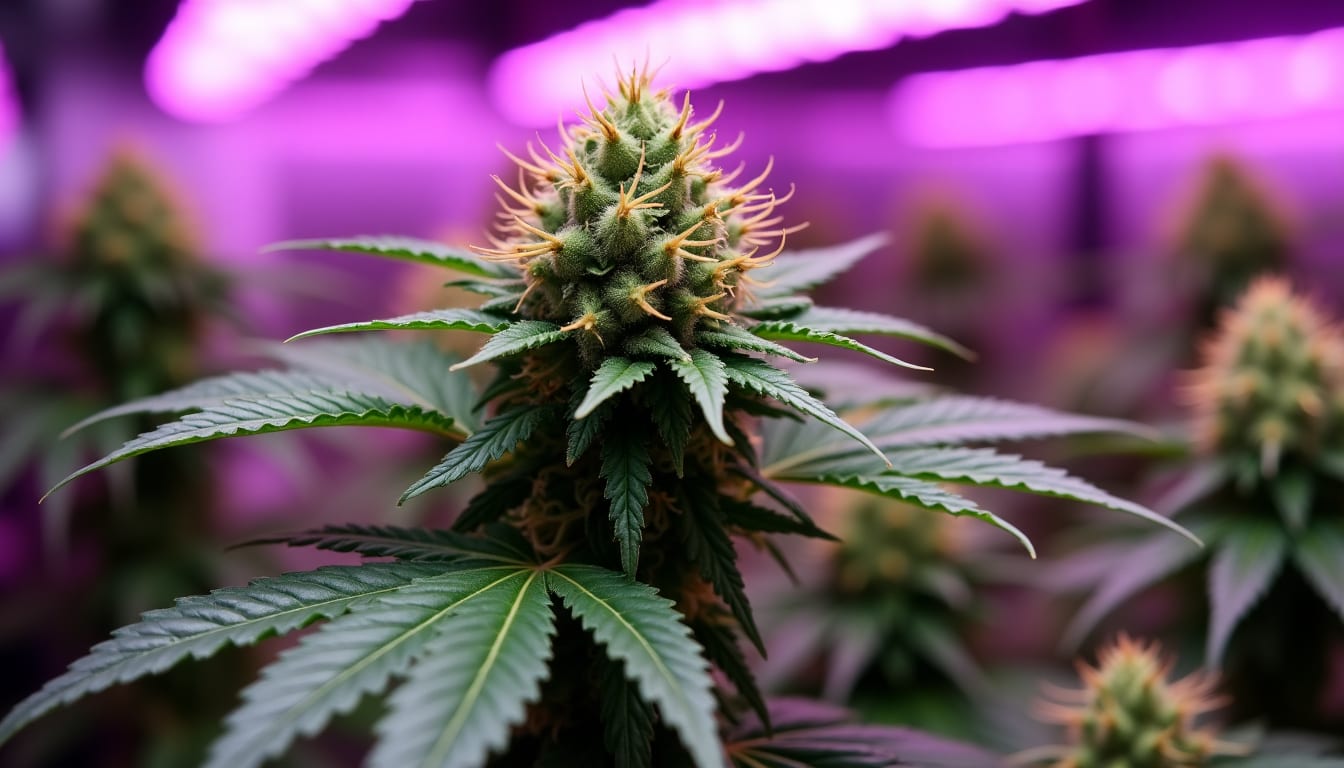
CBD Oil vs. Hemp Oil: Whatʼs the Difference?

Walking into a wellness shop and seeing “hemp oil” and “CBD oil” side-by-side often feels like a riddle designed to empty your wallet. I have seen countless shoppers reach for a cheap bottle of hemp seed oil thinking they found a bargain on CBD, only to realize later they bought a salad dressing ingredient instead of a supplement. While both products come from the cannabis plant, they are as different as a glass of orange juice and a bottle of orange-scented floor cleaner.
I believe that knowing the difference is the only way to avoid the “green tax” where companies use confusing labels to charge more for less. One comes from the seeds and acts as a nutritional powerhouse, while the other comes from the flowers and leaves to interact with your body’s internal systems. We are going to clear up the fog by looking at how these oils are made and why your choice depends entirely on what you want to achieve.
Key takeaway: Hemp oil is usually a food product made from seeds, while CBD oil is a supplement made from the plant’s flowers and stalks.
I will show you how to spot the real deal by reading labels like a pro and comparing the benefits of each oil. We will look at where these plants grow, the specific parts used for extraction, and the simple ways to tell them apart at a glance. By the time we finish, you will have the tools to make a smart choice for your own wellness journey.
The Nutritional Powerhouse Inside the Seeds
You find the true origin of hemp seed oil not in the sticky blossoms of the plant, but deep within its hard, nutty seeds. While the rest of the Cannabis sativa plant works to produce complex compounds, the seeds act as a storage vault for dense nutrition. I have found that many newcomers expect a “high” or a therapeutic effect from this oil, but the reality is much more practical: it is a culinary and cosmetic superstar.
The extraction process is straightforward and chemical-free. Manufacturers use a cold-pressed method, which is essentially a mechanical squeeze that keeps the temperature low to preserve delicate nutrients. This ensures the oil retains its dark green hue and earthy, nutty flavor without being damaged by heat.
A Profile Built for Health, Not Highs
Because these oils come strictly from the seeds, they contain no CBD or THC. Instead of cannabinoids, you are getting a concentrated dose of essential fatty acids that the human body cannot produce on its own. It is an elite addition to a pantry, though I always warn people never to fry with it-high heat destroys the very nutrients you are paying for.
| Nutrient Category | Key Components |
|---|---|
| Healthy Fats | Omega-3 and Omega-6 fatty acids |
| Vitamins | Vitamin E and various B vitamins |
| Minerals | Magnesium, potassium, and iron |
Versatility Beyond the Kitchen
The utility of this oil extends far beyond a salad dressing. Its unique chemical makeup allows it to penetrate the skin without clogging pores, making it a staple in high-end skincare and industrial lubricants alike. You are essentially buying a multi-tool in a bottle.
- Skincare: Acts as a natural moisturizer and anti-inflammatory for acne-prone skin.
- Cooking: Provides a rich, nutty finish to smoothies, dips, and cold pasta dishes.
- Industrial: Used in the production of eco-friendly paints, plastics, and even biofuels.
- Supplementation: Taken by the spoonful to support heart health and brain function.
This seed-based profile is fundamentally different from the flower-derived extracts that contain active cannabinoids. While hemp seed oil fuels your body with minerals and healthy fats, it lacks the specific compound profile found in the resinous parts of the plant.
You might think of CBD oil as the “botanical cousin” to hemp seed oil, but they differ significantly because CBD is sourced from the plant’s aerial parts rather than the seeds. While the seeds are purely nutritional, the flowers, leaves, and stalks are the powerhouses containing cannabidiol, the active compound that defines this product.
How CBD is Pulled from the Plant
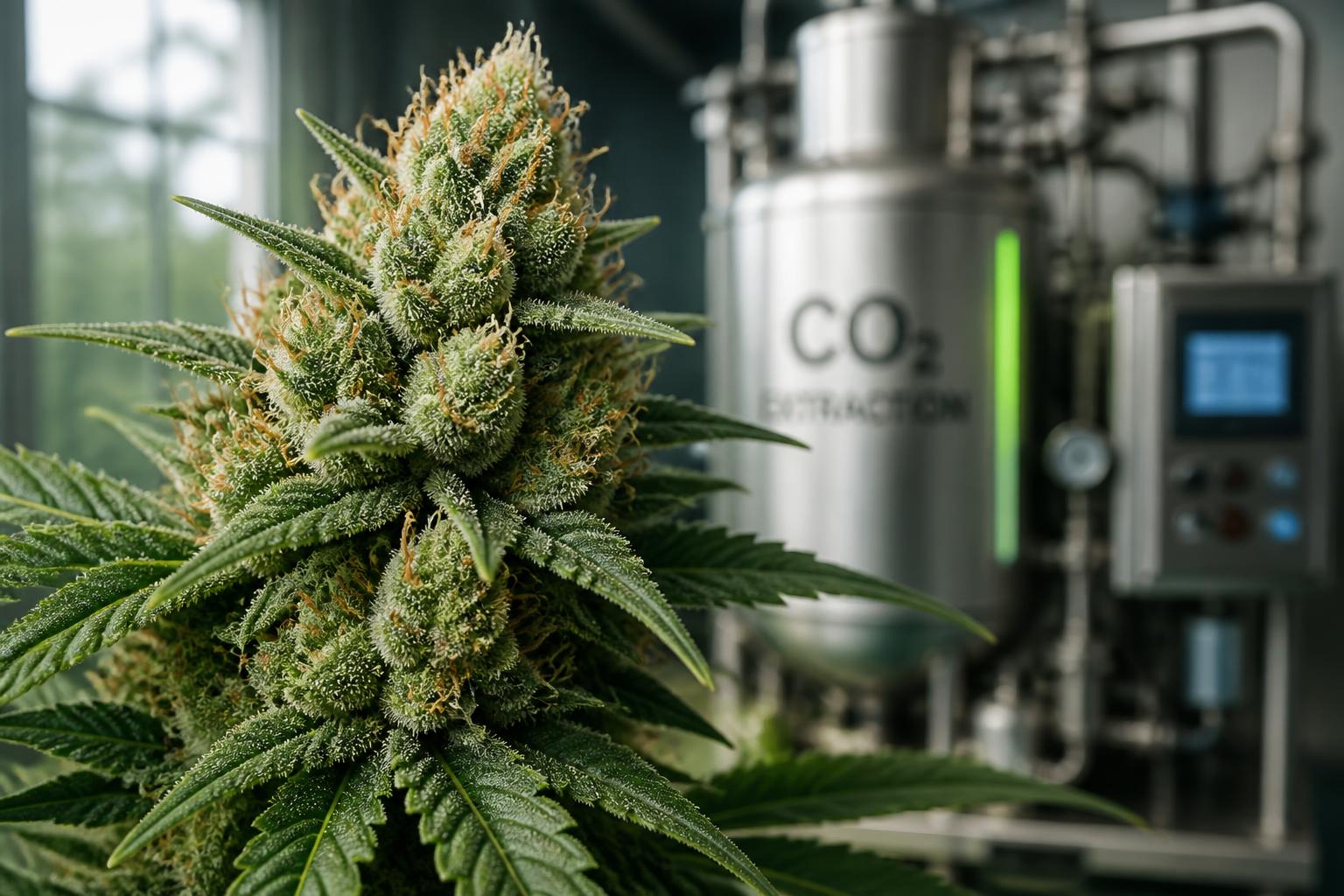
Manufacturers don’t just squeeze these leaves and expect oil to flow out. They use advanced extraction methods like CO2 extraction, which uses pressurized carbon dioxide to pull cannabinoids from the plant material without leaving toxic residues. Some brands use ethanol or other liquid solvents, though I generally recommend CO2-processed oils for the cleanest profile.
Pro Tip: Check the lab reports for “residual solvents” to ensure the extraction process didn’t leave behind unwanted chemicals like butane or hexane in your final bottle.
Decoding the Three Main Formulations
Not all CBD oils are created equal. Depending on how much of the original plant remains after processing, you will usually find one of three specific types on the shelf:
- Full-Spectrum: Contains all natural compounds, including a legal trace of THC (under 0.3%).
- Broad-Spectrum: Includes most plant compounds but has the THC specifically filtered out.
- CBD Isolate: The “purist” option, which is 99% pure cannabidiol with everything else removed.
The presence of these compounds is what allows the oil to interact with your endocannabinoid system (ECS), a complex cell-signaling network in your body. This interaction is the fundamental reason why someone would reach for a bottle of CBD rather than a bottle of seed-derived oil. The choice between an isolate or a full-spectrum blend often comes down to whether you want the “entourage effect” of the whole plant or just the single molecule.
Swapping hemp oil for CBD oil to manage chronic pain is like eating an orange to cure a broken leg-one provides excellent nutrition, but only the other contains the specific tools needed for the job. While both derive from the same plant family, their chemical resumes couldn’t be more different. I’ve seen many people waste money buying “hemp extract” at the grocery store expecting a stress-relief miracle, only to realize they bought fancy salad dressing instead.
Nutritional Support vs. Targeted Relief
Hemp seed oil acts as a nutritional powerhouse. Because it lacks cannabinoids, it doesn’t talk to your body’s regulatory systems the way CBD does. Instead, it focuses on your “outer shell” and heart health. I personally use it as a skin hydrator because those fatty acids strengthen the skin barrier without clogging pores.
CBD oil is a cannabinoid product designed for internal regulation. It interfaces directly with your internal receptors to help balance mood and physical discomfort. If you are struggling with a racing mind before bed or persistent joint stiffness, hemp seed oil simply won’t have the “keys” to unlock those physiological doors.
| Benefit Focus | Hemp Seed Oil | CBD Oil |
|---|---|---|
| Primary Goal | Nutrition & Skin Care | Systemic Balance |
| Active Strength | High Fatty Acids | High Cannabidiol |
| Best For | Heart & Inflammation | Sleep, Anxiety, Pain |
Why They Aren’t Substitutes
The anti-inflammatory properties of hemp oil come from its cardiovascular health support and healthy fats. CBD’s anti-inflammatory effects are different; they stem from direct ECS interaction, which manages how your nerves signal pain. You cannot substitute one for the other because their active compounds drive entirely different biological pathways.
Choosing the right bottle depends on whether you want a supplement for your smoothie or a tool for your wellness routine. Many brands intentionally blur these lines with green leaves and “hemp” branding to mark up cheap seed oil. Learning to cut through the marketing fluff is the only way to ensure you aren’t overpaying for basic cooking oil.
How to Identify Authentic Products Without Getting Fooled
You cannot rely on the pretty imagery of green leaves on a bottle to tell you what is actually inside the liquid. Marketing teams count on your haste, often using “hemp” as a catch-all term to hide the fact that they are selling expensive salad dressing as a wellness supplement. If you don’t look at the fine print, you’ll likely end up with a product that lacks the active compounds you’re actually hunting for.
Mastering the Ingredient List
The order of ingredients on a label is a dead giveaway because manufacturers must list them by weight. I always check the very first item; if you are looking for targeted relief, the active compounds should be prominent, not buried under a mountain of carrier oils. To ensure you are getting exactly what you pay for, follow this verification process:
- Scan for Specific CBD Terms – Look for cannabidiol, CBD, or phrases like full-spectrum hemp extract and broad-spectrum hemp extract. If the label only mentions hemp seed oil or Cannabis sativa seed oil, it is a nutritional product, not a CBD supplement.
- Verify the CBD Concentration – Real CBD products will clearly state the total milligrams (mg) of CBD on the front of the bottle. A bottle that says “1,000mg Hemp Oil” without mentioning “CBD” specifically is usually just hemp seed oil.
- Demand a Certificate of Analysis (COA) – Legitimate brands provide third-party lab testing results for every batch. This document is the only way to verify the potency and purity of the oil and ensure it isn’t contaminated with heavy metals.
- Identify the Extraction Source – Check if the label specifies CBD isolate or a whole-plant extract. This tells you whether you are getting 99% pure cannabidiol or a mixture that includes other beneficial plant elements.
I’ve seen far too many people throw away fifty dollars on a bottle of “Hemp Extract” that contains zero actual cannabinoids. It is a frustrating trap, but the math is simple: no milligram count of CBD equals no CBD benefits. Taking thirty seconds to find the COA link or QR code on the packaging is the only way to be 100% certain of what you’re putting in your body.
Choosing the Right Oil for Your Wellness Goals
The secret to picking the right product is knowing that hemp seed oil is for nutrition while CBD oil is for your body’s internal balance. These two oils come from the same plant family but do completely different jobs. I have seen too many people buy expensive “hemp oil” for stress relief, only to realize later they bought cooking oil without any active CBD in it.
Key Differences at a Glance
| Feature | Hemp Seed Oil | CBD Oil |
|---|---|---|
| Plant Part | Seeds only | Flowers and leaves |
| Active CBD | 0% (None) | High concentration |
| Main Use | Healthy fats and skin care | Sleep, mood, and comfort |
Essential Takeaways
- Hemp seed oil acts like a superfood, packed with Omega-3 and Omega-6 fatty acids that help your heart and skin.
- CBD oil contains cannabinoids that talk to your body’s regulatory system to help manage how you feel.
- Ingredients matter more than the name on the front; look for “cannabidiol” on the back label to ensure you are getting real CBD.
- Price is a major clue because authentic CBD oil costs much more to produce than simple seed oil.
Next Steps for Your Wellness Journey
Check the labels of the products currently in your cabinet. Look for a Third-Party Lab Report or a QR code on the packaging to verify exactly how many milligrams of CBD are inside. If the label only lists “hemp seed oil,” use it for your salads or as a moisturizer rather than for targeted wellness support.
Knowledge is your best tool for avoiding overpriced mistakes.
Share this content: